Protecting your home against the threat of a wildfire requires a strategic, multi-layered defense, critical to protect your family, property, and livelihood. This guide delivers a practical, scientifically backed roadmap that any homeowner can implement to drastically reduce the risk of wildfire damage.
Key Takeaways
- Legislation: In various countries, there is a mandatory fuel management strip around residential structures located within Wildland-Urban Interface (WUI) zones.
- Ember Threat: Wind-borne embers and firebrands can travel up to 2 kilometers ahead of an active flame front, bypassing ground defenses and landing directly on roofs or decks.
- The Vulnerability Solution: Treating exposed outdoor timber and surrounding ornamental vegetation with an eco-safe, thermo-responsive fire retardant (like Sallus Fire Retardant) disrupts fuel connectivity and prevents ignition.
- Cost vs. Value: Shielding a home with 50 m² of exposed wood costs less than €200 in preventative treatment, which is a tiny fraction of total structural rebuilding costs.
Why Wildfire Protection is Critical
According to data from the European Forest Fire Information System (EFFIS), the European Union recorded over 1 million hectares burned in a single year in 2025. Four overlapping factors compound this modern fire risk that could get worse:
- Climate Dynamics: Significantly longer, hotter, and drier summer windows that evaporate fuel moisture.
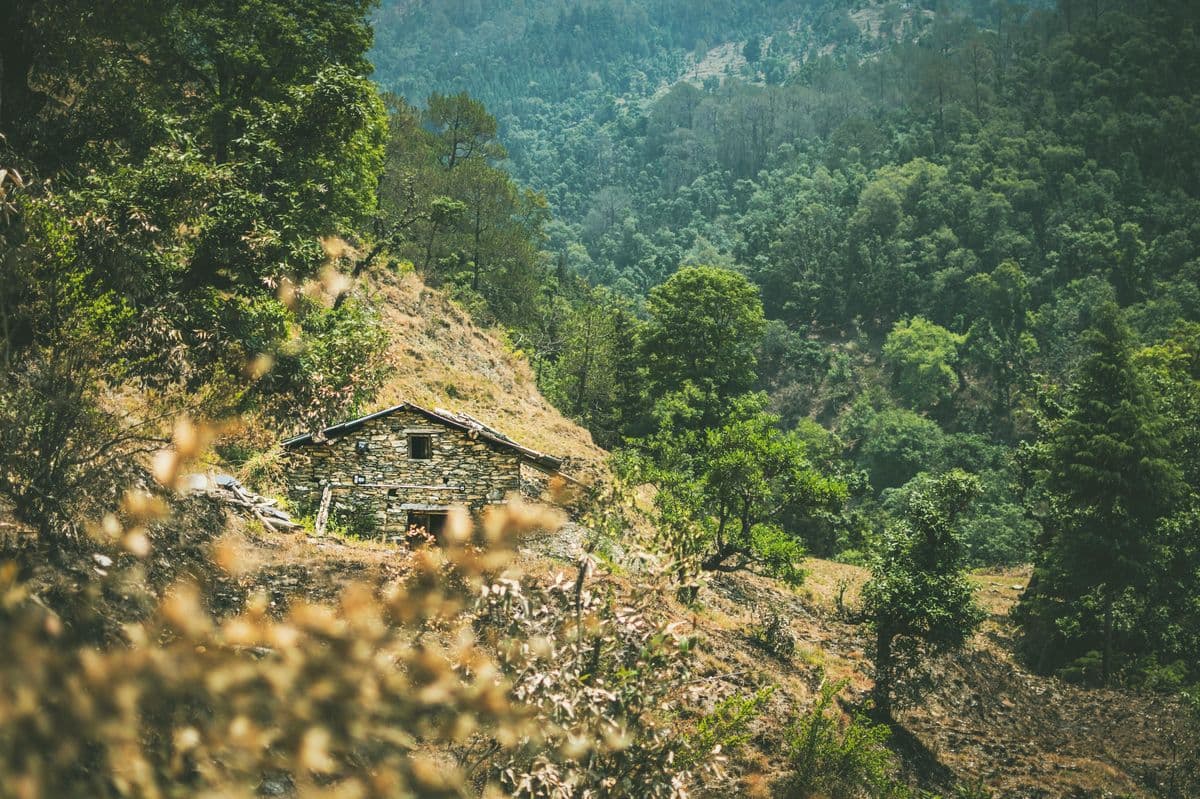
- The Wildland-Urban Interface (WUI): An expanding number of residential homes built directly adjacent to unmanaged, highly combustible wildland vegetation.
- Biomass Accumulation: A lack of consistent rural forest management creates an unsustainably high fuel load.
- Topography: Steep slopes and valleys naturally accelerate the velocity and intensity of an advancing fire front.
Fortunately, extensive fire safety studies confirm that homes protected by adequate defensible space and proactive surface retardant treatments are significantly more likely to escape structural damage during a wildfire event.
The 7-Step Wildfire Defense Protocol
To secure your home's perimeter, implement this structured 7-step plan.
Step 1: Establish Your Defensible Zone
The defensible zone is your first line of ground defense. It breaks up continuous vegetation to prevent a wildfire from making direct contact with your home's walls. We recommend splitting this into the following sections:
- 0 to 10 Meters (The Immediate Zone): Strip away all accumulated dry vegetation, dead branches, and fallen leaves. Maintain green lawn grass cut strictly below 5 cm. Crucially, never store firewood, propane tanks, or volatile materials directly up against or underneath your home.
- 10 to 30 Meters (The Intermediate Zone): Space your trees so that their upper canopies remain at least 4 meters apart from one another. Eradicate dense, flammable wild shrubs, and prune low-hanging tree branches up to a height of 2 to 3 meters from the ground.
- 30 to 50 Meters (The Outer Zone): Thin out overall vegetation density and establish clear gaps or structural discontinuities to slow down an incoming fire front.
Strategic Timing: Clear your defensible zones completely ahead of peak fire season. Run a quick monthly inspection throughout the summer to clear fresh biomass buildup.
Step 2: Treat Exposed Wooden Surfaces
Wood is highly susceptible to thermal pyrolysis. Structural features like wooden balconies, decking, pergolas, window frames, shutters, and vertical cladding represent critical structural weak points. Applying Sallus Fire Retardant creates a reactive thermal barrier that delays ignition and stops flames from spreading across the timber.
How to apply Sallus Fire Retardant on wood surfaces:
- Clean dirt and old flaking varnish.
- Spray or brush an even coat of Sallus Fire Retardant.
Remember to reapply exterior surface coatings every 2 weeks during peak fire season, or immediately following heavy, unseasonal rainfall.
Step 3: Fortify and Clear the Roof
The roof is your property's largest exposed surface area, making it highly vulnerable to falling embers carried by high wind currents. These hot embers can float up to 2 kilometers ahead of the actual fire front, landing inside gutters and starting structural fires.
- Gutter Maintenance: Clean out your roof gutters and downpipes regularly. Dry, trapped leaves act as tinder for flying sparks.
- Seal Structural Vents: Install fine, heavy-duty metal mesh (with a grid size strictly less than 3 mm) over all exterior crawlspaces, eave vents, and loft openings to block ember penetration.
- Internal Timber Defense: Treat internal roof beams, structural battens, and loft window frames with Sallus Fire Retardant to prevent internal ignition if an ember does break through.
- Tile Inspections: Replace cracked or displaced roof tiles immediately to ensure the underlying timber framework is never exposed.
Step 4: Protect Windows and Wall Openings
Intense radiant heat radiating from a nearby fire can easily shatter standard single-glazed window panes. Once the glass breaks, wind-driven flames and embers gain direct entry into your home's interior.
- Glazing Upgrades: Install double-glazed or tempered safety glass to withstand significantly higher thermal radiation thresholds.
- Protective Shutters: Install external window shutters. Metal options or exterior wood shutters should be heavily pre-treated with Sallus Fire Retardant.
- Emergency Closure Protocol: Upon receiving a local wildfire alert, immediately close every window, exterior door, and protective shutter across the property to seal out flying sparks.
Step 5: Protect Ornamental Vegetation
Manicured privacy hedges, ornamental shrubs, and climbing vines planted flush against walls often act as structural "fuel bridges," channeling ground fires directly up to your eaves and roof. Rather than removing beautiful landscaping, you can manage it chemically and structurally:
- Sallus Vegetation Shield: Spray vulnerable perimeter landscaping directly with Sallus Fire Retardant. Because our advanced formula is entirely non-toxic and biodegradable, it coats living plants safely, providing an active barrier without disrupting plant growth.
- Species Selection: Replace highly volatile, resinous plants like pine and eucalyptus with low-flammability, fire-resistant ornamental options like bay laurel, strawberry tree, and rosemary.
- Structural Clearance: Keep all privacy hedges neatly trimmed back to maintain a minimum distance of 1.5 meters away from your exterior walls.
Step 6: Establish an Operational Emergency Plan
Structural preparation must always be backed by personal, operational readiness for your household:
- Emergency Bag: Keep a centralized kit packed with critical identification documents, necessary medical prescriptions, bottled water, a high-powered torch, and a battery-powered radio.
- Evacuation Routes: Map out clear escape routes from your neighborhood and practice driving them with your family.
- Dedicated Water Reserves: Maintain a localized emergency water tank or dedicated pool hookup containing a minimum of 1,000 liters of accessible water.
- Emergency Contacts: Print out and display critical emergency numbers prominently near your phone (Emergency Services: 112, along with your local fire brigade and civil protection offices).
Step 7: Stick to a Continuous Maintenance Schedule
True wildfire readiness is an ongoing cycle, not a one-time project. Follow this structured operational calendar to maintain your defenses:
| Frequency Interval | Mandatory Prevention Action |
|---|---|
| Weekly during peak fire season | Walk your defensible zone; remove fresh accumulations of dry vegetation and leaves. |
| Monthly | Clear out roof gutters, check vent screens, and inspect treated wood surfaces. |
| At least every 2 weeks during high-risk periods | Reapply Sallus Fire Retardant to all exposed exterior wood and perimeter hedges. |
| Pre-summer | Execute a full clearance of your defensible zone and apply your primary seasonal retardant coatings. |
| Post heavy rains | Check structural surfaces and reapply your retardant barriers if heavy rain washes them out. |
The Financial Math: Cost vs. Property Loss
Proactive fire defense is incredibly accessible compared to the staggering emotional and financial toll of structural property damage.
| Protection Element | Estimated Investment (EUR) |
|---|---|
| Clearing your defensible zone | Variable (low-cost DIY or localized labor) |
| Sallus Fire Retardant (1 Liter / Covers ≥4 m²) | From €11.89 |
| Sallus Fire Retardant (5 Liters / Covers ≥20 m²) | From €49.99 |
| Sallus Fire Retardant (25 Liters / Covers ≥100 m²) | From €249.75 |
| Heavy-duty metal mesh for vent openings | €20–50 per opening |
| Fire-retardant window shutters | €200–500 per window |
Even considering all of these protection elements, these are minor investments that provide a robust safety barrier for your home.
Article reviewed by Henrique Bastos, CTO of Hephaesnus and PhD in Chemical Engineering.