
A fire retardant is a substance that, when applied to a material, delays or prevents its ignition and the spread of flames. Retardants work through chemical or physical reactions that absorb thermal energy, block oxygen or create protective barriers between the material and the fire.
Fire retardants are used in residential, forestry and industrial protection — from treating wooden surfaces and textiles to protecting large forest areas against wildfires.
How does a fire retardant work?
Fire needs three elements to exist — the so-called fire triangle:
- Fuel: the material that burns (wood, vegetation, fabrics)
- Oxygen: present in the air
- Heat: the energy needed to start and sustain combustion
A fire retardant works by interfering with one or more of these elements:
| Mechanism | How it works | Example |
|---|---|---|
| Heat absorption | The retardant absorbs thermal energy, preventing the material from reaching its ignition temperature | Water-based retardants that release water vapour |
| Physical barrier | Forms an insulating layer between the material and the flames | Intumescent retardants that expand with heat |
| Chemical reaction | Releases gases that dilute the available oxygen in the combustion zone | Halogenated retardants (being phased out for environmental reasons) |
| Charring | Promotes the formation of a carbonised layer on the surface that protects the underlying material | Phosphorus-based retardants |
The most effective modern retardants combine several of these mechanisms. Sallus Retardant, for example, uses a thermo-responsive technology that reacts automatically to rising temperature — absorbing thermal energy and releasing water vapour to create a protective barrier.
What are the types of fire retardant?
There are several categories of fire retardant, each suited to different applications:
1. Water-based retardants
- Composition: Water with chemical additives (salts, surfactants)
- How they work: Evaporation of water absorbs large amounts of thermal energy
- Applications: Wooden surfaces, vegetation, forest protection
- Advantages: Non-toxic, biodegradable, easy to apply
- Limitations: Require periodic reapplication outdoors
2. Intumescent retardants
- Composition: Paints or coatings containing compounds that expand with heat
- How they work: On reaching a critical temperature (~200–300 degrees C), the material expands up to 50 times its volume, forming an insulating layer of carbonised foam
- Applications: Steel structures, structural timber, interior cladding
- Advantages: Long-lasting protection, aesthetically pleasing (looks like normal paint)
- Limitations: More expensive, professional application recommended
3. Halogenated retardants
- Composition: Bromine or chlorine compounds
- How they work: Release radicals that interrupt the chemical reactions of combustion
- Applications: Historically used in plastics, foams and textiles
- Advantages: Very effective in small quantities
- Limitations: Being restricted in the EU. Persistent in the environment, potentially toxic (REACH regulation)
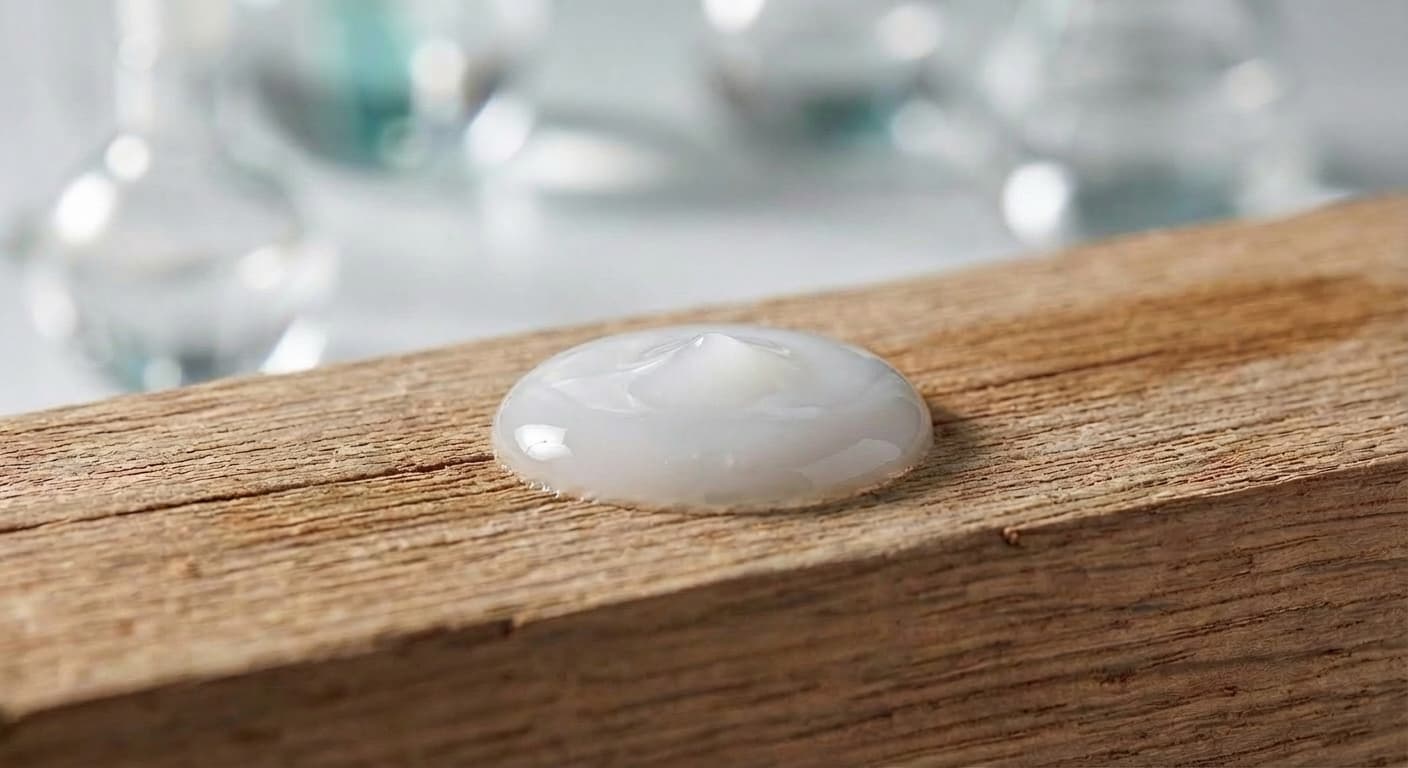
4. Thermo-responsive retardants (gel)
- Composition: Water-based gel with compounds that react to heat
- How they work: On drying, they form an invisible film. When exposed to intense heat, the gel expands and creates an active thermal barrier that absorbs energy and releases water vapour
- Applications: Residential (wood, vegetation), forestry, textiles
- Advantages: Automatic activation, non-toxic, biodegradable, versatile
- Limitations: Relatively new technology, less well known
Sallus Retardant falls into this last category — it is a water-based, non-toxic and biodegradable thermo-responsive gel, registered with the ECHA in compliance with the REACH regulation.
Is fire retardant toxic?
It depends on the type. Halogenated retardants (based on bromine and chlorine) are being progressively restricted in the European Union due to concerns about human health and the environment — they are persistent in soil and water and can bioaccumulate.
Modern water-based retardants, such as thermo-responsive ones, are designed to be:
- Non-toxic to people and pets
- Biodegradable: break down naturally without contaminating soil or water
- Free of harmful VOCs (Volatile Organic Compounds)
- Safe for vegetation: can be applied to living plants
When choosing a fire retardant, check for:
- Registration with the ECHA (European Chemicals Agency)
- REACH compliance
- Absence of Substances of Very High Concern (SVHC)
- Unique Formula Identifier (UFI) on the label
How long does a fire retardant last?
Durability depends on the type of retardant and the conditions of exposure:
| Type | Typical Durability | Conditions |
|---|---|---|
| Intumescent (paint) | 5–10 years | Interior, no direct exposure |
| Water-based (exterior) | 4–8 weeks | Exposure to rain and sun |
| Water-based (interior) | 3–6 months | Without washing |
| Industrial treatment | 10+ years | Deep impregnation |
For exterior residential applications, periodic reapplication is necessary — typically every 4–6 weeks during the fire season, or after prolonged heavy rain.
Where can fire retardant be applied?
Modern fire retardants are versatile and can be applied to a wide variety of surfaces:
Residential applications
- Wooden balconies, decking and pergolas
- Window frames and shutters
- Wooden cladding (interior and exterior)
- Hedges, shrubs and ornamental vegetation near the house
- Curtains, upholstery and textiles (with retardants specific to fabrics)
Forestry applications
- Fuel management strips
- Vegetation in wildland-urban interface zones
- Fences and wooden structures on rural properties
Industrial applications
- Metal and timber structures in warehouses and factories
- Insulation materials
- Cabling and electrical installations (specific retardants)
How to choose the right fire retardant?
The choice depends on three main factors:
1. Type of surface
- Wood: Water-based or thermo-responsive retardants
- Metal: Intumescent retardants
- Textiles: Retardants specific to fabrics
- Vegetation: Biodegradable water-based retardants
2. Application environment
- Interior: Prioritise retardants free of VOCs and with low odour
- Exterior: Requires periodic reapplication. Choose UV-resistant retardants
- Natural areas: Mandatory to use biodegradable and non-toxic retardants
3. Regulatory requirements
- Residential: Check local authority and insurance requirements
- Commercial/Industrial: European fire classification standards (EN 13501-1)
- Forestry: Applicable environmental regulation
Fire retardant vs fireproof: what is the difference?
The terms are frequently used interchangeably, but there is a technical distinction:
| Characteristic | Fire Retardant | Fireproof Material |
|---|---|---|
| Definition | A substance applied to a material to delay combustion | A material that inherently resists fire |
| Example | Thermo-responsive gel applied to wood | Concrete, stone, brick, steel |
| Application | Post-manufacture (surface treatment) | Inherent to the material (construction) |
| Durability | Requires reapplication (variable) | Permanent |
| Versatility | Can make combustible materials more resistant | Limited to naturally fireproof materials |
In practice, the most effective protection combines fireproof materials in construction with the treatment of combustible surfaces (wood, textiles, vegetation) with fire retardant.
Conclusion
Fire retardants are an essential tool in fire protection — from residential to forestry scale. Technological advances, particularly the development of non-toxic and biodegradable thermo-responsive retardants, have made fire protection more accessible, safer and more effective than ever.
When choosing a fire retardant, prioritise products with European registration (ECHA/REACH), that are water-based, non-toxic and with proven efficacy. For homes in wildfire risk zones in Portugal and southern Europe, preventive treatment of exposed surfaces and surrounding vegetation is one of the most cost-effective measures available.
Article reviewed by Henrique Bastos, CTO of Hephaesnus and PhD in Chemical Engineering.