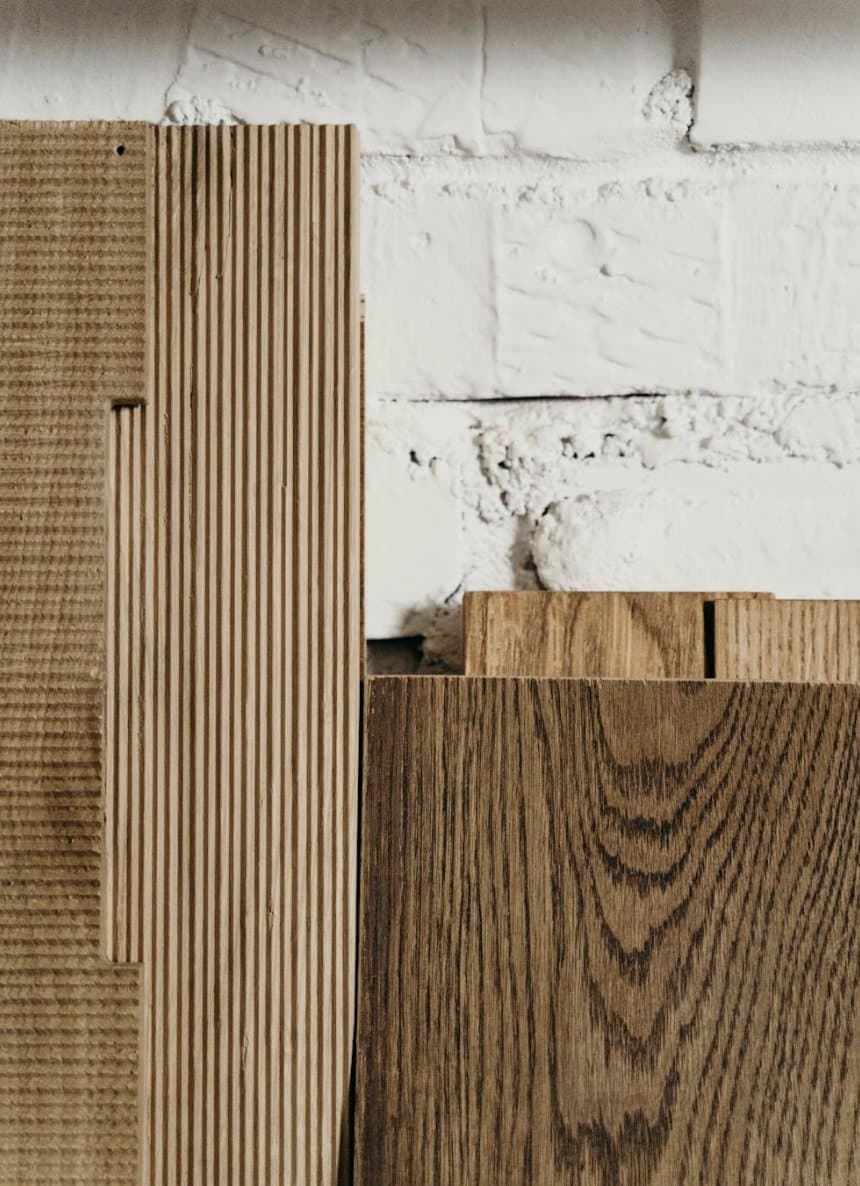
When you live in a property with wooden features, these can quickly turn into dangerous vulnerabilities.
Structures like balconies, decking, pergolas, window frames and shutters can act as prime fuel sources when a wildfire approaches. Applying a high-quality fire retardant to your wood is the most practical, cost-effective way to delay ignition, slow flame spread and buy your home the critical time it needs to survive.
In this comprehensive guide, we analyse the different options available, detail how to choose the right protection for your specific structures, and provide a professional application checklist to ensure your property remains completely secure.
Key Takeaways
- The core threat: Wood undergoes thermal pyrolysis and ignites between 250°C and 300°C. Wildfire flame fronts regularly exceed 800°C, and wind-driven embers can ignite dry wood from hundreds of metres away.
- Horizontal danger zones: Decking and balconies carry the highest risk profile because of their large horizontal surface areas that can trap hot flying embers.
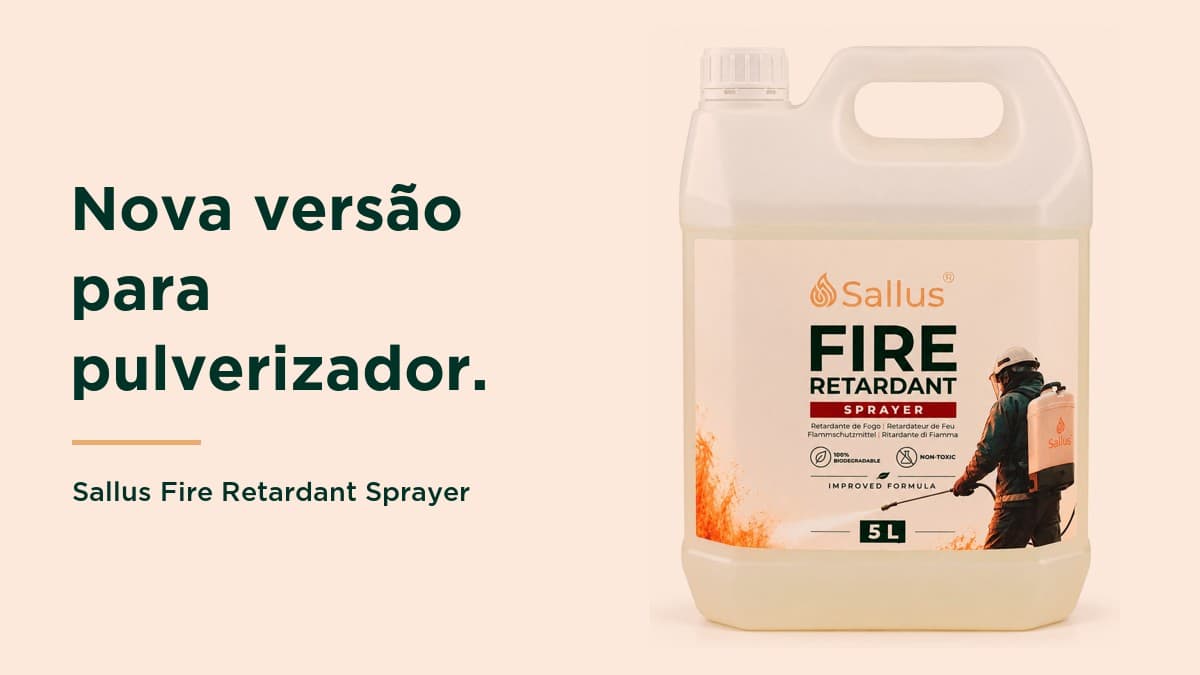
- The smart solution: Next-generation thermo-responsive gels (like Sallus Fire Retardant) form an invisible, active shield that cools wood endothermically and prevents ignition, all while remaining 100% non-toxic and without damaging the material underneath.
Why Wood Demands Advanced Fire Protection
Wood is a complex organic polymer made of cellulose, hemicellulose and lignin. When exposed to heat, it doesn't just burn. It undergoes pyrolysis, breaking down into volatile gases that feed the fire.
While wood typically reaches its ignition threshold between 250°C and 300°C, a wildfire flame front easily exceeds 800°C. Furthermore, embers can travel far ahead of the main fire, landing directly on your home's exposed timber.
Understanding the specific risk levels of your exterior wood surfaces allows you to protect your perimeter strategically:
| Surface location | Risk assessment | Technical vulnerability factor |
|---|---|---|
| Decking & balconies | Very high | Large horizontal exposure areas that naturally catch and accumulate falling wind-borne embers. |
| Window frames & shutters | High | Exposed to extreme radiant heat. Shutters act as your window glass's first line of protection. |
| Exterior cladding | High | Large vertical surface areas subjected to direct flame contact and radiant heat. |
| Eaves & soffits | High | Trap rising heat and embers. Localised ventilation paths can feed oxygen directly to structural fires. |
| Pergolas | Medium-high | Open structural frameworks with total geometric exposure to passing heat vectors. |
| Fences & outdoor furniture | Medium | Can act as continuous fire conduits, guiding flames straight to the main house structure. |
Evaluating Wood Fire Retardants: Topical vs. Impregnation
To choose the right product, you must understand how different retardants integrate with the wood structure.
1. Surface Retardants (Topical Applications)
These products are applied directly to existing wood surfaces via a sprayer, brush or roller. They form a highly reactive outer defence layer.
- Thermo-responsive gels: These dry to form an invisible, odourless film. When exposed to extreme temperatures, they activate automatically, absorbing massive amounts of heat energy and releasing dense water vapour to cool the substrate below pyrolysis levels.
- Intumescent paints: These look like standard architectural paint but expand dramatically when heated to form a thick, carbonised foam insulating barrier. They are ideal for long-term interior structural timber.
- Fire-resistant varnishes: Clear finishes (matte or gloss) that provide baseline flame retardation while retaining the wood's natural grain.
2. Impregnation Retardants (Deep Industrial Treatment)
This process forces fire-retardant chemical solutions deep into the wood fibres.
- Advantage: Long-lasting protection (10+ years).
- Limitation: Can only be performed in a factory setting before the wood is installed in a building.
Why the Market is Shifting to Advanced Water-Based Gels
Traditional chemical retardants often relied on halogenated (brominated or chlorinated) compounds. While effective, the European Union is progressively restricting them because they do not break down, accumulate in ecosystems and present toxicity risks.
Modern chemical engineering has enabled clean, halogen-free, water-based alternatives. This segment is growing rapidly due to its clear safety advantages:
| Performance aspect | Legacy chemical retardants (halogenated) | Modern eco-retardants (water-based gels) |
|---|---|---|
| Efficacy | High | High |
| Environmental toxicity | Potentially toxic | Non-toxic |
| Biodegradable | No (persistent organic pollutant) | Yes (natural decomposition) |
| EU compliance | Heavily restricted / phased out | Fully compliant |
| Plant & pet safety | Not recommended near landscaping | Completely safe |
How to Choose the Right Fire Retardant for Your Situation
Different situations experience different types of environmental weathering and fire threats. See our recommendations for various scenarios below.
Scenario 1: Seasonal Exterior Protection (High-Risk Zones)
- Recommended solution: Sallus Fire Retardant (thermo-responsive hydrogel).
- Why it works: It provides fast, broad, do-it-yourself coverage across expansive exterior surfaces. It is fully biodegradable, completely clear and safe to spray near your garden plants.
- Maintenance schedule: Apply a fresh layer regularly (every 2 weeks or after any unusual heavy rain) during the hot, dry peak of the fire season.
- Investment: Highly economical, especially at higher volumes like Sallus Fire Retardant 5L.
Scenario 2: Interior Structural Timber (Beams, Columns, Ceilings)
- Recommended solution: Specialty intumescent paint or fire-resistant varnish.
- Why it works: These provide deep, long-term interior protection and a polished architectural finish without needing frequent top-ups.
- Maintenance schedule: Reapply every 5–10 years depending on indoor wear.
Scenario 3: Exposed Wooden Decking or Pergolas
- Recommended solution: A dual-protection strategy using a fire-resistant varnish as a durable base coat, topped with Sallus Fire Retardant for continuous protection.
- Why it works: Decking acts as a horizontal gravity trap for airborne embers. The varnish handles year-round foot traffic, while Sallus Fire Retardant acts as a sacrificial cooling gel during higher-risk periods.
Step-by-Step Guide: How to Apply Fire Retardant to Wood
Achieving maximum fire retardant performance depends directly on correct surface preparation and application. Follow this step-by-step guide to secure your property.
Mandatory Materials Checklist
- Sallus Fire Retardant (use our Coverage Calculator for an easy estimation of the amount you need).
- Sprayer (best for rapid, large-scale outdoor coverage) or a high-quality brush/roller (best for detail coating).
Step 1: Substrate Preparation
- Thoroughly clean the wood. Strip away accumulated dust, dirt, surface debris, moss or fungal mould.
- If dealing with old, peeling or failing paints and varnishes, sand the surface down lightly to expose clean wood pores.
- Ensure the wood is completely dry to the touch. Applying any water-based product onto water-saturated wood will block proper absorption.
Step 2: Mixing and Environmental Evaluation
- Thoroughly shake or stir the container to ensure the active flame-retardant compounds are evenly suspended throughout the carrier liquid. Sallus Fire Retardant arrives fully pre-mixed and ready to use. Never dilute it with water.
- Verify the weather. The ambient outdoor temperature should ideally sit comfortably between 10°C and 35°C, with no rain forecast for at least 4 hours after application.
Step 3: Precise Application Technique
- Using a pressure sprayer: Keep the spray nozzle positioned at a consistent distance of 20–30 cm from the timber. Move in smooth, uniform horizontal or vertical sweeps. A single, even, saturated coat is usually all that is required.
- Using a brush or roller: Work in continuous, smooth passes following the natural grain of the wood. Ensure total coverage in recessed joints, cracks and end-grain edges. For vertical walls or posts, always apply the product from the top down to catch run-off.
Step 4: Curing and Inspection
- Drying duration: Sallus Fire Retardant is immediately active against incoming fires. Over time it will dry to a completely invisible, transparent and odourless state.
- Keep the surface safe from lawn sprinklers or unexpected rain. Inspect the surface visually afterward and reapply as needed.
Frequently Asked Questions
Does applying a fire retardant alter the appearance of my wood?
Typical fire retardants can, in some cases, affect the appearance and properties of wood. Sallus Fire Retardant is a safe option that dries clear and without affecting your material properties. After a fire stops, any remaining gel can be easily scraped off the wood, revealing its intact and unaltered status underneath.
Can I spray this over wood that has already been painted or varnished?
Next-generation thermo-responsive hydrogels can be applied directly over most existing sound, weathered exterior finishes. However, it is recommended that you completely strip or sand away old layers before application for higher performance.
How do I calculate exactly how much product I need to buy?
Sallus Fire Retardant covers an average of 4 m² per litre. To find your exact requirement:
- Measure the width and height of each wooden surface to find the total square metres.
- Add up all your surfaces to calculate your total project area.
- Use our Coverage Calculator to find the amount of Sallus Fire Retardant you need, then add a 10–15% margin to account for wood joints, edges and overspray.
Proactive Perimeter Defence Begins Today
Defending your wood materials against wildfire hazards is a straightforward, highly effective step that balances high-yield property security with your household budget.
Regularly maintaining your home's natural defences costs just €2.50 to €3.75 per square metre per application, which is a fraction of the cost of rebuilding.
The key to wildland-urban interface protection is simple: choose the right product tailored to your environment, apply it carefully according to instructions, and stay consistent with your reapplication schedule.
Don't wait for nearby smoke to think about fire protection. Head over to the Sallus Store to explore our non-toxic, EU-compliant products, and secure your home's defence perimeter today.